
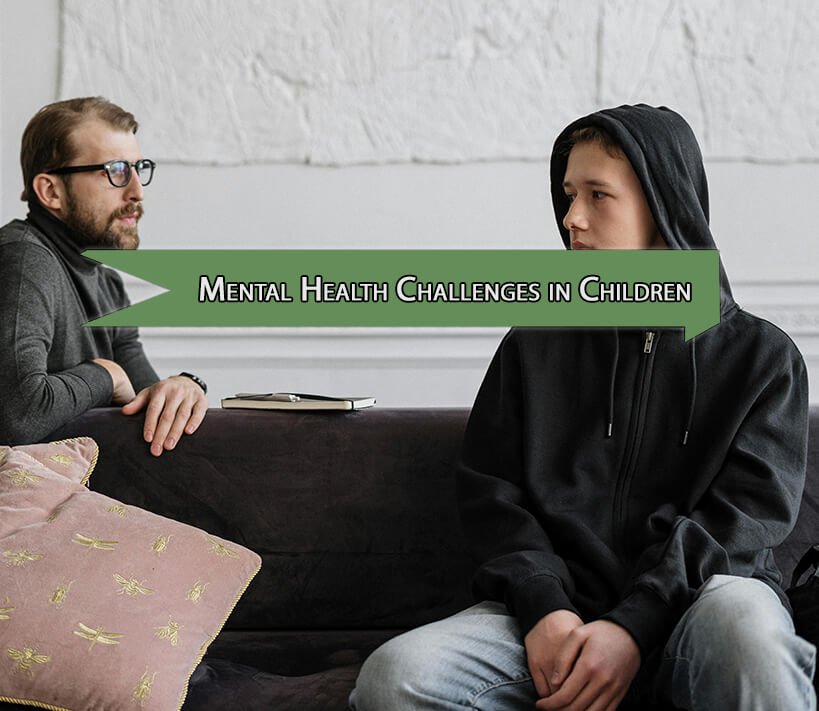
When you hear someone talking about the mental health challenges in children, what comes to mind? You may think about a child who is always worried, does not want to go to school, has trouble making friends, or cannot stay focused in class. These actions may look like problems for children. Sometimes they reveal deeper emotional, mental, or developmental issues. Children experience feelings as they grow up. Fear, sadness, frustration, nervousness, and occasional changes in mood are all part of being a child. However, lasting changes in behavior, sleep, learning, relationships, or emotional reactions need to be noticed.
Mental health challenges in children can include anxiety, Separation Anxiety Disorder, fears, learning disabilities, ADHD, and specific fears. Every child may show signs, so it is better to look at patterns instead of judging a child based on one bad day. In this article, we will look at the common issues, explain how they can affect daily life, talk about early signs, and share ways parents and caregivers can respond. If you want help from a professional, visit the Best Psychologist in Rawalpindi at PsychoAura for support and evaluation. Let us talk about this topic with understanding and care.
Key Takeaways
- Mental health challenges in children can affect feelings, school, relationships, and daily life.
- Ongoing worry needs attention, especially when it stops school or family life.
- Fear of being separated from parents can be a problem when it stops a child from growing more independent.
- Learning problems need understanding and proper school help, not blame.
- Actions related to ADHD should get a checkup instead of being seen as laziness.
Interesting facts about mental health challenges in children
- Spotting problems early can help children learn ways to deal with feelings before things get harder at school with friends or at home.
- Parents and teachers can both provide information. A child might act differently at home and school, so sharing what each sees can help experts understand the child better.
- A child can have trouble with reading, math, or other subjects. Still be very good at being creative, solving problems, talking to others, or other areas.
- Mental health is part of a child’s health, just like physical health, and asking for help from professionals is the first step toward a healing journey.
- Sleep is closely linked with health. When a child is upset, sleep patterns may change. When sleep is poor, the child finds thinking, feeling good, and handling challenges more difficult.
Understanding Mental Health Concerns in Childhood
Children may face different mental health challenges, including emotional, behavioral, and developmental problems. Some issues happen because of biology or family history, while others come from events, family changes, trauma, school pressure, or a mix of these things. It is important not to label a child quickly. A child who struggles with homework does not automatically mean the child has a learning problem, and a quiet child does not always mean the child has an anxiety problem.
Worry and Generalized Anxiety
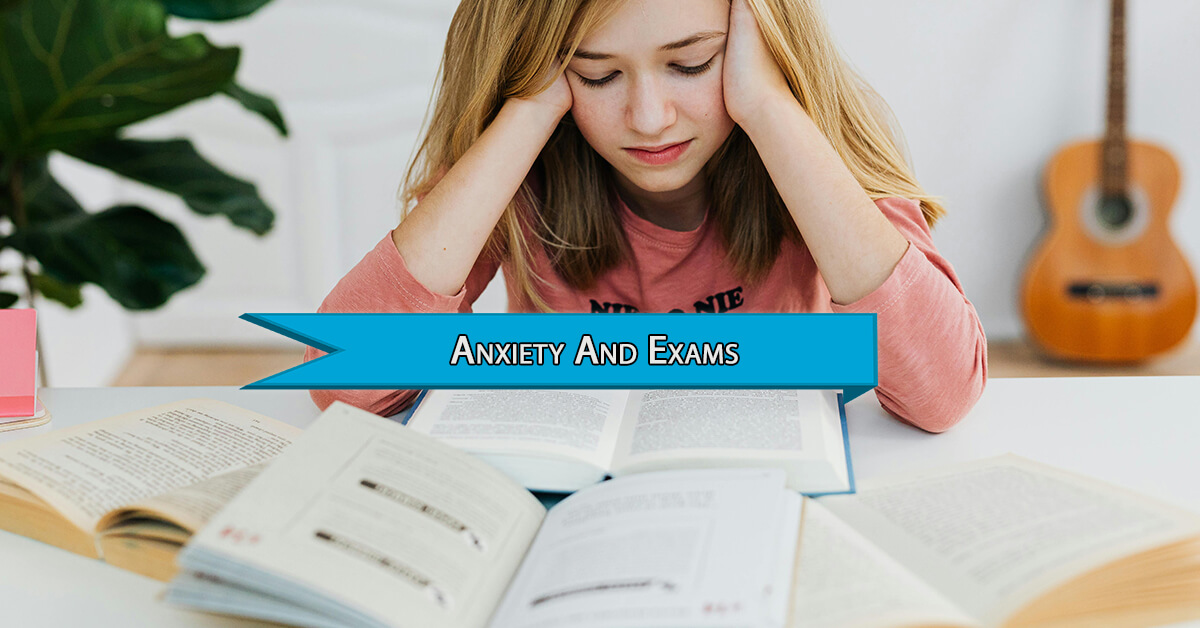
A common mental health challenge in children is feeling worried all the time. Children who have Generalized Anxiety Disorder or GAD feel worry about school, health, family, and friends. As a parent, you may notice that your child wants reassurance from you, has trouble relaxing, gets headaches, stomach problems, and finds it hard to concentrate. A child may also react strongly to problems because everyday uncertainty feels too hard to handle. Parents should listen to worry and not ignore it. Parents should try to help them. Validating worry and teaching coping methods usually works better. It builds trust and confidence.
Separation Anxiety Disorder
Mental health problems in children can also appear when being away from parents or caregivers creates a lot of stress. Separation Anxiety Disorder is a fear of being separated from love one. A child may refuse to go to school, have trouble sleeping alone, have nightmares, or worry constantly that something bad will happen to a parent. These behaviors can make family routines difficult. These behaviors can also stop the child from growing more independent. A calm routine can help. If the fear really affects school and family life, getting help from a professional can provide ways to cope.
Social Anxiety and fear of being judged
Social situations can be very hard for children who have health challenges related to social anxiety. Children may be scared of being embarrassed, criticized, or making mistakes in front of others. Presentations, talking in class, birthday parties, group activities, and even simple conversations with classmates can make children feel very uncomfortable. Some children avoid these situations completely. Over time, avoiding situations can lower confidence. Stop children from learning how to talk better. Supportive adults can encourage children to take part without pushing children into situations that’re too hard.
Learning Disabilities
Learning problems are another part of mental health challenges in children because struggles in school can affect confidence and feelings. Dyslexia can make reading difficult. Writing can become more difficult. Dyscalculia can make math confusing. Dyspraxia can cause trouble with movement and planning. These conditions do not mean a child is not smart or not trying hard. Children who keep struggling in school may start to feel embarrassed or upset. Teachers, parents, and experts can work together to find out what the child needs and create learning plans. The goal is not just to get grades. Children also need support, patience, and chances to see their qualities.
Fears and Specific Phobias
Strong fears can be another kind of mental health challenge in children; when they are very strong do not go away and cause problems. Many children have fears of the dark, animals, insects, heights, or new places. A phobia is when the fear becomes too big and causes a lot of avoidance. A child may not want to go to places, avoid activities, or feel very sick when they face the thing they are afraid of. Right ways to handle fears can help the child feel better and learn how to deal with fear easily. Parents should not laugh at. Make fun of a child for being afraid. Kindness makes it safer to grow.
ADHD and Focus Issues
ADHD is another subject when we talk about health challenges in children. The impact of ADHD can mean difficulty with attention, controlling impulses, and staying still. Children with ADHD might forget what they are told, lose things, get distracted easily, or have trouble sitting still for long. Adults sometimes think these actions are laziness or not listening. That idea can make things harder for everyone. Children with ADHD often benefit from routines, simple instructions, encouragement, time to move around, and consistent rules. A trained professional can check the symptoms. Talk about the ways to help, like behavior support, therapy, school changes, medicine, or a mix of these.
Why Early Help is Important
When we spot health challenges in children early, we can learn what each child needs. Early Help can also stop problems from getting worse as school, social, and family needs grow. Parents, teachers, and caregivers have a job to notice changes. Early Help has to observe behavioral changes, sleep patterns, appetite changes, or lack of concentration. They should encourage children to ask for help and make it normal. They should listen without any judgment and try to help them or seek help from mental health professionals. If the problems are affecting their daily life, they should seek help from a trained mental health professional. If there is danger or thoughts of hurting themselves, get help immediately.
Ways Parents Can Help a Child
Helping a child with health challenges begins with regular actions at home. I see how these small steps can help a child feel better and stronger.
- Make a schedule that is easy to follow.
- Let the child talk without being interrupted.
- Do not compare the child to brothers, sisters, or other kids.
- Praise effort instead of just focusing on results.
- Make a consistent sleep schedule, encourage exercise, and healthy meals.
- Teach some relaxation techniques such as breathing exercises and grounding techniques, which can be helpful for them.
- Stay in touch with teachers when there are school or behavior problems.
- If mental health challenges in children are affecting their daily functioning, seek help from mental health professionals.
Every child’s needs are different from one another, so try to help them according to their needs.
Conclusion
Mental health challenges in children should get the care and attention as physical health. Conditions like anxiety disorder, separation anxiety disorder, learning problems, ADHD, social fears, and other types of fears can hurt a child’s confidence. This is especially true when children grow up without being noticed or supported. A diagnosis should never become a label that defines a child. Children are capable of learning, changing, and developing ways to manage their struggles. With patience and proper help from adults, they can find their strengths. Grow into confident individuals.
Parents and caregivers play a role. They can make a difference by listening, watching for changes, talking with teachers, and seeking help from professionals when needed. A kind and safe environment helps children feel secure enough to share their feelings instead of hiding them. The important thing is that mental health support must begin with understanding, not criticism. When children feel heard and comfortable, they do not hesitate to ask for help and take care of their mental health. If you want professional guidance and support, you can visit the best psychologists in Rawalpindi at Psychoaura.
FAQs
Is all worry a sign of a problem?
No. Children naturally feel fear and worry. Experts look at how strong how how it fits with the child’s age, and how it affects life before deciding if there is a problem.
How do I schedule an appointment at Psychoaura?
The appointment booking process is simple. You can contact Psychoaura directly or fill out an appointment form through the official website.
Can learning problems affect feelings?
Yes. Repeating school problems can make a child feel bad about themselves. Supportive teaching, check ups and caring help can make a difference.