
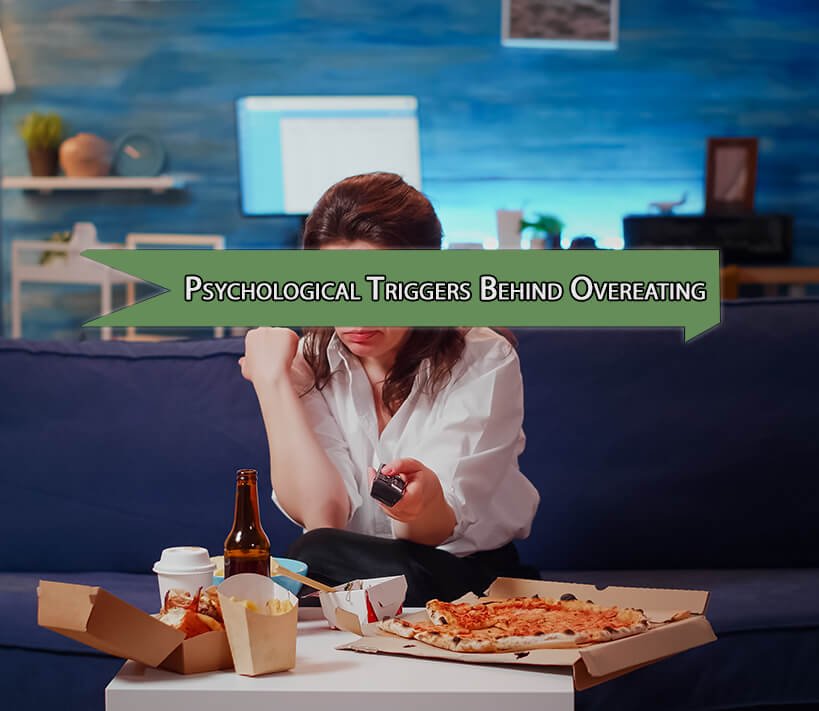
Have you ever noticed that you keep eating even when you are not hungry anymore? This situation shows the reasons why people eat too much. Sometimes people eat a lot not because they are hungry. Your feelings, thoughts, where you are, your habits, and your mental health can greatly affect when, why, and how much you eat. Eating much means taking in more food than your body needs, sometimes eating until you feel very full. A big meal is usually not a problem. The issue arises when overeating happens repeatedly due to stress, worry, sadness, boredom, loneliness, frustration, or negative thoughts about yourself, these are some of the psychological triggers behind overeating.
Food can help when you are feeling down. A favorite meal can give you happiness, take your mind off things, or make you feel good. When you keep using food to deal with feelings, your brain can start to get used to this pattern. In this article, we will look at the reasons why people eat too much, including eating because of stress, worry, habits, the way the brain rewards you, concerns about your body, and eating disorders. We will also talk about ways to create habits and build a healthy connection with food.
If Psychological triggers behind overeating feels difficult to control or is affecting your wellbeing support can help you understand what is happening beneath the behaviour. Visit the Best Psychologist in Rawalpindi at PsychoAura. Take the step toward understanding your relationship with food.
Overeating in Urdu
ضرورت سے زیادہ کھانے کا مطلب ہے اپنی بھوک سے زیادہ کھانا۔ یہ اکثر پریشانی، تناؤ، بوریت یا جذبات کی وجہ سے بھی ہو سکتا ہے۔
Key Takeaways
- Psychological triggers behind Overeating is not always due to hunger. Sometimes, it can be driven by emotions, stress, habits, surroundings, and thoughts that affect your eating patterns.
- Emotional eating can create a repeating cycle. Sometimes, difficult emotions trigger cravings, and people start overeating. Overeating can provide relief. That relief can reinforce the behavior again.
- Stress and anxiety can affect eating for each person. Some people eat too much when difficult emotions lead to strong food cravings.
- The brain reward system can reinforce eating. Palatable foods give pleasure and gratification, making them especially appealing during discomfort.
- Negative body image and self-talk can influence eating patterns. Restriction, guilt, food rules, and comparison may lead to cravings and overeating
Interesting Facts About Overeating
- Psychological triggers behind Overeating does not always happen because of hunger. Emotional signals and environmental signals can influence eating behaviour.
- Stress can change appetite and cravings. People respond to stress in different ways, so eating patterns may grow or shrink.
- Habits can run automatically. People may reach for food because of a situation of real hunger.
- Body image can shape eating behaviour. Negative self-view may create overeating cycles.
- Binge-eating disorder is a health condition. Repeated episodes of losing control need attention.
Psychological Triggers behind overeating
There are different psychological triggers behind overeating, and we need to understand that overeating does not always mean the same thing. Physical hunger usually grows slowly, and emotional hunger can arise abruptly. Physical hunger can make the stomach growl, energy dip, or a natural urge to eat appear. Whereas emotional hunger can cause a desire for a food right after a meal. For example, when a day at work goes on, suddenly a craving for chocolate, fries, or another comfort food might arise. The body may not actually need the calories. Instead, the mind may seek relief. Likewise, some people eat when they feel sad; others eat snacks because boredom or restlessness takes over. Some may eat while watching television simply because the brain has linked that activity with food. These patterns can overlap. Understanding them gives a picture of what happens during and after an episode of overeating.
Emotional Eating
One of the psychological triggers behind overeating is emotional eating. Instead of eating only because the body needs nourishment, a person turns toward food to manage an experience. Imagine feeling lonely after a day. You open the refrigerator, choose a snack, and start eating. For a minute, your attention moves away from loneliness. Food feels comforting. When individuals feel comfort because of food, this comfort can strengthen the link between emotion and eating. Over time, your brain may create a pattern: emotion → craving → eating → relief. The problem appears when this pattern becomes your coping strategy.
Stress and Anxiety can change Eating Behaviour
Stress is not just about mood. It can cause changes in appetite, cravings, sleep, energy, and everyday decisions. During stressful situations, some people lose their appetite, while others crave food. Some may eat foods high in sugar or fat because these foods can provide temporary pleasure and distraction. These responses can be linked to psychological triggers behind overeating, such as stress, emotional discomfort, boredom, or negative thoughts.
Anxiety can create a pattern. When Anxiety keeps the mind on worries, food can become something to focus on. When the mind feels overwhelmed, Eating Behaviour can become an escape from thoughts that feel hard to manage. This does not mean every person who has Stress will overeat. Personal habits, environment, emotional coping skills, and individual experiences all matter.
If Stress continues for weeks or months, Eating Behaviour can become very automatic. The person may start grabbing food before the person realizes the person feels overwhelmed. Learning Stress management skills can become part of improving Eating Behaviour.
Habits and Environmental Cues
Not every time you eat much is because of an emotion. Sometimes the reason is a habit. Imagine eating popcorn every time you watch a movie. After doing this times, sitting down for a film may automatically make you want popcorn even if you just ate something else.
- The same thing can happen when you.
- Snack while looking at your phone.
- Eat while watching TV.
- Have sweets close to your desk.
- Go to the kitchen when you feel bored.
- Order food because you are with friends.
Your surroundings can quietly shape what you do. The brain is very good at spotting patterns. When an action happens over and over with eating, the two things can start to link. Changing the habit does not mean staying away from your favorite foods. It means knowing the cue that happens before you eat.
The Brain Reward System and Gratification
Food can activate the brain reward pathways, especially when Food is palatable. Sweet, salty, and fatty Food can create experiences that encourage you to repeat the behaviour. This is where gratification becomes important. When eating gives pleasure, the brain may remember the experience. Encourage you to seek it again. The reward can become especially attractive when you are dealing with discomfort. If Food becomes a source of comfort, other coping strategies may receive attention. Gradually developing ways to relax, connect, process emotions, or manage stress can help weaken this cycle.
Negative Self talk
The way you see your body can shape how you treat food. If you often criticize your looks, you might start making rules about eating. You could skip meals, label foods as “bad”. You might feel guilty after eating. Eventually, this can lead to cravings or overeating. Social media, beauty standards, comparisons with others, and repeated comments about weight can make your feelings worse. A healthier path means not letting worth depend on body size. The body does not need to match someone is ideal to be worthy of care and respect. Learning to appreciate your body no matter what body looks like can ease stress around food. A balanced view of body helps you reconnect with food in a way.
Binge Eating
Sometimes overeating is not a habit. Binge eating disorder is different from bulimia. It is a mental health disorder in which people eat over and over and feels uncontrollable. A person may eat quickly. Keep eating even after feeling full. They may eat alone because they feel embarrassed, and later they may feel very guilty.
Mental Health and Overeating
Eating behaviour can also interact with Mental Health concerns. Depression may reduce motivation. It is important to encourage people to find comfort through food. Anxiety can increase cravings or repetitive eating, which may lead to Overeating. Chronic stress can make healthy decision-making more difficult. Low self-esteem can create beliefs about food and body image. These experiences do not automatically cause overeating. Instead, they may increase vulnerability when combined with habits, environments, or coping patterns. This is why focusing on food can sometimes miss the picture. If you repeatedly eat to escape thoughts or feelings, consider exploring those feelings. Talking to a psychologist can help you understand patterns. You can visit the best psychologists in Rawalpindi at Psychoaura for expert guidance and support.
Healthy Ways to Break the Cycle of Overeating
1. Practice eating
Slow down. Notice taste, texture, hunger, and fullness. Try eating without television or constant phone distractions.
2. Build coping strategies
Incorporate a habit of walk, journaling, breathing exercises, meditation, and adequate rest to overcome overating problems. These are alternatives that can help you manage your emotions during overeating.
3. Avoid extreme restriction
Try to maintain balanced eating and avoid skipping meals or following strict food rules, as these can make cravings stronger and harder to manage for some people. Understanding the psychological triggers behind overeating can also help you recognize emotional eating patterns and develop healthier eating habits.
4. Seek support
If Psychological triggers behind overeating is affecting your daily life and feels uncontrollable, seek help from mental health professionals, as they can guide you on how you can manage it in a healthier way. You can visit the best psychologists in Rawalpindi at Psychoaura to get guidance and tailored treatment plans.
Conclusion
The reasons why people overeat are not usually as simple as eating a lot. When someone eats much there might be things like stress, worry, feeling alone, being bored, old habits not liking how they look, sadness or something inside that is not being taken care of. Food can help make someone feel better in the moment. It will not fix the feeling that made them want to eat. If this same pattern keeps happening, eating much can start to feel like something that just happens without thinking. You do not have to feel bad about this problem.
You can look at it with interest, with kindness, and with help from someone who knows what they are doing when you need it. Start by watching what happens just before you eat. Notice your feelings, where you are, what you are thinking, and if you are actually hungry. Small moments of being aware can slowly help you make choices.
FAQs
Can stress change how much you eat?
Yes. Stress can change how much you eat, what you want to eat, and when you eat. In stressful situations, some individuals eat too much, and some may lose appetite because of stress.
Why should I choose Psychoaura in Rawalpindi?
You should choose Psychoaura in Rawalpindi because they offer online sessions which are confidential and judgment free. They offer experienced clinical psychologists who provide personalized care, tailored treatment plans, and Mental Health support.
How do I schedule an appointment at Psychoaura?
The appointment booking process is simple. You can contact Psychoaura directly or fill out an appointment form through the official website.