

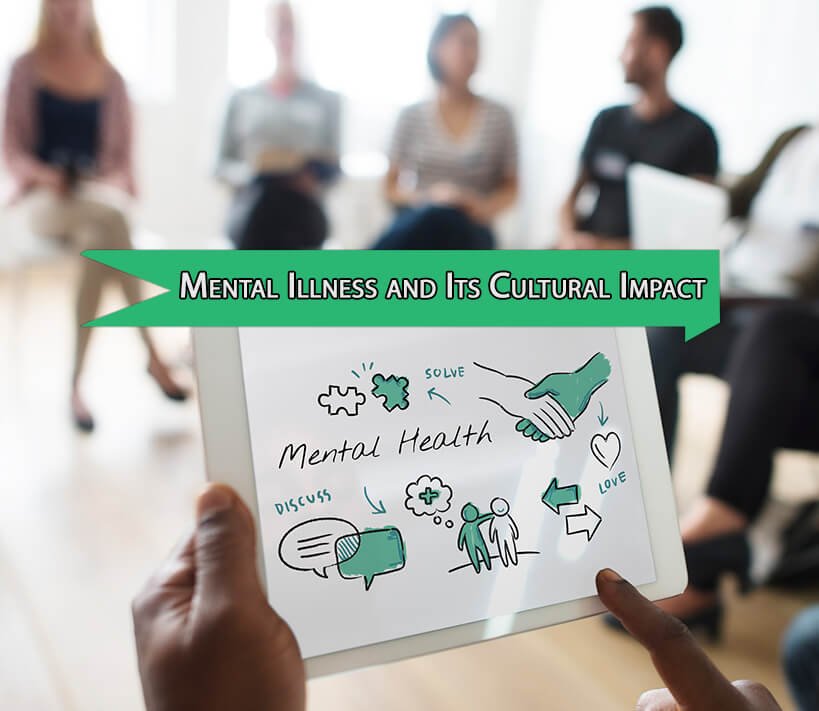
Did you know that millions of people are affected by mental health concerns across the globe, and they do not seek help from mental health professionals because of fear of judgment and misunderstanding? If you or your loved ones need compassionate and professional support, you can visit the best psychologists in Rawalpindi at Psychoaura. Mental disorder is a condition that can influence a person’s thoughts, emotions, behaviors, and daily life functioning. There are different types of mental illness and their cultural impact, such as obsessive-compulsive disorder, bipolar disorder, eating disorders, and many more.
Each different factor affects individuals differently; they may influence individuals’ daily life functioning and relationships. They may struggle with balance in painting at work, at home, and at school. As a result, they start living alone and feel confused about how to handle these issues. Not only do individuals suffer from these mental health issues, but also their families, friends, and communities also feel the effects. Many people stop socializing due to fear of judgment. They start doubting their worth and struggle emotionally when society fails to offer empathy. That is why understanding mental illness and its cultural impact is important.
10 COMMON TYPES OF MENTAL DISORDERS
The following are the most common mental disorders, which vary in intensity and symptoms:
- Depressive Disorder
- Bipolar Disorder
- OCD
- Substance-related and Addictive disorders
- Trauma and Stress-Related Disorders
- Personality Disorder
- Sleep Disorders
- Eating Disorders
- Schizophrenia Spectrum and Psychotic Disorders
- Anxiety Disorders
SOCIAL AND CULTURAL ATTITUDES TOWARD MENTAL ILLNESS
Cultural beliefs play an important role in an individual’s life. They strongly influence how people perceive and treat mental illness. In many communities, mental illness carries negative labels, and people feel discriminated against, which discourages openness. But understanding mental illness and its cultural impact breaks these stigmas and promotes healing.
1. SOCIAL STIGMA
Many people did not seek help due to social stigma. It is one of the biggest obstacles in seeking help. They have a fear of being judged or misunderstood. They begin to hide struggles to avoid judgment. It can weaken their emotional resilience and increase isolation.
2. DISCRIMINATION
Individuals who are struggling with mental illness experience discrimination in the workplace, schools, and relationships. Society treated them unfairly. These experiences can cause them to feel worthless. They did not take risks and seize opportunities in their life. These negative environment can affect their Psychoaura and emotional well-being.
3. CULTURAL SILENCE
In many societies, seeking help from mental health professionals is considered taboo. Families avoid conversations about mental disorders. People who are struggling with mental disorders fear being judged by society. This can prevent early interventions. They delay seeking help until the condition worsens. Silence on mental health issues can destroy a person’s life.
4. RELIGIOUS AND SPIRITUAL INTERPRETATIONS
Some societies think that mental illness is a divine punishment. They associate it with supernatural beliefs. They seek spiritual remedies instead of seeking help from mental health professionals. Spiritual support can indeed offer comfort, yet it should not replace professional care. Seeking help from mental health professionals is important, and misunderstanding can delay recovery and increase suffering.
5. TRADITIONAL BELIEFS
When individuals are struggling with mental health issues, society views these issues as a character flaw rather than a medical issue. This type of belief can create guilt and shame. Individuals avoid seeking help and feel responsible for their struggles. They are isolated from society, which can harm their Psychoaura and prevent emotional healing.
6. WESTERN CULTURE
Western societies work on spreading mental health awareness. They run campaigns that emphasize that there may be some biological and psychological factors that contribute to mental disorders. They encourage people to seek help from mental health support.
7. COLLECTIVIST CULTURE
In collectivistic societies, family members take mental disorders as a burden of dishonor. Individuals avoid treatment to protect their family’s image. This type of thinking can cause serious issues and affect emotional stability. Understanding mental illness and its cultural impact is essential in addressing these kinds of issues that are deeply rooted in beliefs.
Conclusion
Mental illness affects millions of people worldwide, yet people fear being judged or misunderstood. They are being stigmatized by others and continue to silence many voices. Cultural beliefs shape how people experience and respond to these conditions. With the right guidance and support, we can create a better understanding of mental illness and its cultural impact. You can visit the best psychologists in Rawalpindi at Psychoaura to take the first step toward healing.
FAQs
Why should I visit Psychoaura for psychological support?
Because Psychoaura offers online sessions at affordable prices, and they have experienced clinical psychologists who can help individuals manage anxiety, depression, and overcome an inferiority complex to build self-confidence.
How can I book an appointment at Psychoaura?
You can book an appointment at Psychoaura by phone, message, or by filling out the appointment form and selecting your preferred date and time.
Can mental illness be treated effectively?
Yes, with the right support and guidance, most mental health conditions can be treated and managed.