
Have you ever opened Instagram to reply to a message? Then found yourself scrolling for twenty minutes? You check WhatsApp before bed. End up watching TikTok videos for hours. This makes me think. Are all these media connections really making us feel more connected, or are they quietly making us feel disconnected from ourselves? The impact of social media on our mental health is a big conversation now. This is because social media is a part of how we communicate, learn, work, entertain ourselves, express our emotions, and even judge our own lives. Social media can bring us friendship, information, encouragement, and entertainment with a few taps. On the other hand, social media can also bring us comparison, criticism, pressure, and emotional exhaustion.
The impact of social media is not just good or bad. How social media affects our minds depends on how we use it, what we consume on it, why we use it, and how we feel after using it. If you feel like media is affecting your confidence, relationships, sleep, or emotional wellbeing, you can get help from a professional. You can visit the Best Psychologist in Rawalpindi at PsychoAura for support with your health.
In this article, we will explore both sides of the media experience. We will look at awareness, connection, peer support, creativity, comparison, perfectionism, cyberbullying, sleep disturbance, and unhealthy online habits. We will also discuss ways to build a relationship with your screen. Let us explore what your social media habits may be telling you about your wellbeing.
Interesting facts about media and mental health
- The impact of social media has both benefits and risks and can affect mental health.
- Young people use platforms extensively. Teenagers aged 13–17 excessively use social media platforms. Many young people use media platforms.
- Sleep and digital habits are connected. Research has identified relationships between media or interactive device use and poorer sleep among people. Sleep and social media use are connected.
- Everyone reacts differently. Social media does not affect every person in the same way. Individual vulnerability, content, purpose, frequency, relationships, and personal circumstances can all shape the experience of media. People react differently to media.
- Social media can influence how we think and make choices.
TakeAways
- Social media can isolate you depending on how you use media. Social media can have effects depending on how you use it.
- Comparison becomes harmful when you repeatedly measure your life against edited online lives on social media. Comparing your life to others on media can be harmful.
- Online communities can provide comfort. Professional advice should guide health treatment. Online communities are not enough for health treatment.
- Protecting your sleep is one of the ways to create digital habits with social media. Sleep is important, for habits.
- Your emotional response matters. If you consistently feel worse after scrolling through media your digital routine may need a change. You should pay attention to how you feel after using media.
What Is Social Media? Why Does It Affect Our Minds?
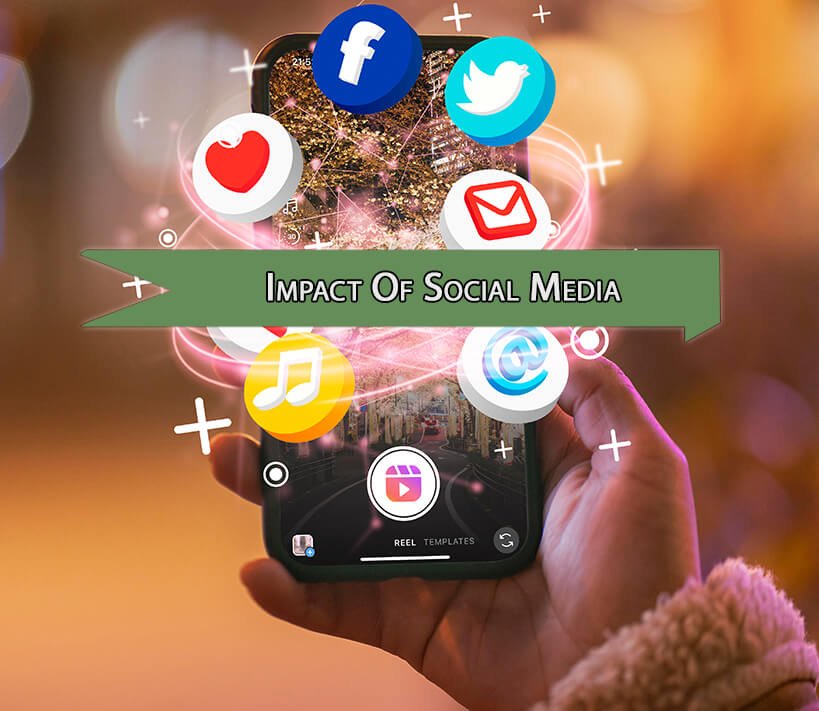
Social media is one of the platforms that helps individuals to create, share, communicate, react, and interact with people worldwide. Platforms such as Instagram encourages storytelling, whatspp helps people to connect with other and TikTok delivers short form entertainment at a speed. The impact of social media not only connects people. It creates an environment where attention receives stimulation. A notification can make you curious, a like can make you feel appreciated, and a negative comment can ruin your mood. A beautiful photograph can inspire you while another persons perfect life can make you question your own. This emotional range explains why social media deserves a discussion about health.
Your experience also depends on your purpose. Someone who opens an app to speak with a family member may feel connected. Someone who repeatedly checks an ex partners profile may feel distressed. Who follows content may learn something, while another person may spend hours consuming alarming or negative content. The platform matters, and the impact of social media on your relationships with these platforms matters even more.
The Brighter Side of Social Media
It connects people across distance
Distance can be painful, especially when family members, friends, or partners live in cities or countries away. Social media helps reduce that distance. You can send a voice message, share a photograph, join a video call, or celebrate someones moment even when you cannot physically stand beside them.
Encouraging conversations between generations
The impact of social media can sometimes help parents, children, teachers and older adults understand issues that younger generations experience. Topics such as health, online safety, relationships, career pressure and social expectations can become easier to discuss for individuals when they encounter these topics through digital platforms.
Giving people opportunities to inspire others
Someone who has overcome an experience may share their story. Encourage another person who is currently struggling with a difficult experience. A personal story of overcoming an experience cannot replace treatment for people who are struggling, but it can provide hope for these people. Sometimes knowing that another person has experienced difficulty and continued moving can make a difficult day feel slightly more manageable for people who are struggling with a difficult experience.
The Dark Side of Social Media
Comparison can turn into self judgment
Social media often shows us the version of someones life. You may see a holiday without seeing the stress behind it or a relationship photograph without knowing what happened before the camera turned on. Your brain can compare your moments with someone Carefully selected highlights. That comparison can slowly affect your confidence.
Cyberbullying can affect health
Cyberbullying is an issue that can cause real emotional harm to people, and it is not just something that happens on the screen. When people say things that threaten, humiliate, spread rumors, leave someone out, or keep harassing them, it can make them feel bad about themselves. This can last a time even after they close the app.
Scrolling at night can affect sleep
You know how it is. You tell yourself you will just watch one video, then suddenly it is 1 a.m. Staying on media at night can disturb your sleep cycle.
The pressure to look perfect
Filters and editing tools have changed what people consider normal. A photograph can receive edits before anyone sees it, and captions can receive rewrites. Over time, some users begin to create a personality that feels more polished than their identity. Maintaining that image can become tiring.
The scroll loop
The impact of social media platforms use features that encourage engagement. Infinite scrolling, notifications, personalized recommendations, likes, and changing content can make stopping difficult. You might open an app because you feel bored. Then you see something. Another video. Then another video appears. Eventually, twenty minutes can become an hour. This can happen to media users. The problem becomes more concerning when social media starts interfering with your responsibilities, your sleep, your relationships, your hobbies, or your emotional stability. Social media can really interfere with your responsibilities, your sleep, your relationships, your hobbies, or your emotional stability.
Ways to create digital routines
- Start by noticing your patterns when you use media. Which social media accounts make you feel inspired? Which social media accounts make you feel inadequate?
- Unfollow content on media that repeatedly damages your mood. Turn off notifications on your phone. Create phone periods during meals, conversations, study, work, and bedtime. This can help you have a routine with media.
- You can also replace some time on media with activities that nourish your life.
- Consult with professionals if you are experiencing these warning signs. You can visit the psychologists in Rawalpindi at PsychoAura for expert guidance and support.
- Checking your phone.
- Feeling uncomfortable when you cannot access media.
- Losing track of time while scrolling through social media.
- Ignoring your responsibilities to remain online on social media.
Conclusion
Social media has the power to bring people together, teach us things, make us feel inspired, and give us support. Using it too much can also create problems. These problems might make you feel like you are not good enough, cause stress, lead to bullying, make it hard to sleep, or leave you feeling very tired emotionally. The way you use media has an effect on how it makes you feel inside. Use media for communication or learning, not to compare yourself to others. Use it to share your thoughts, not to show off. Set limits, take care of your real life relationships. Take breaks when you need to. If social media is making your mental health worse, go to the Best Psychologist in Rawalpindi at PsychoAura for help and support from a professional.
FAQs
Why should I choose PsychoAura in Rawalpindi?
You should choose PsychoAura in Rawalpindi because they offer sessions that are confidential and judgment free.
How do I schedule an appointment at PsychoAura?
The appointment booking process is simple. You can contact PsychoAura directly. Fill out an appointment form through their official website.
Does social media cause anxiety and depression?
Yes. Excessive use of social media can cause anxiety and depression. Factors such as comparison, cyberbullying, sleep disturbance, and exposure to content on media can play a role in causing stress and depression.