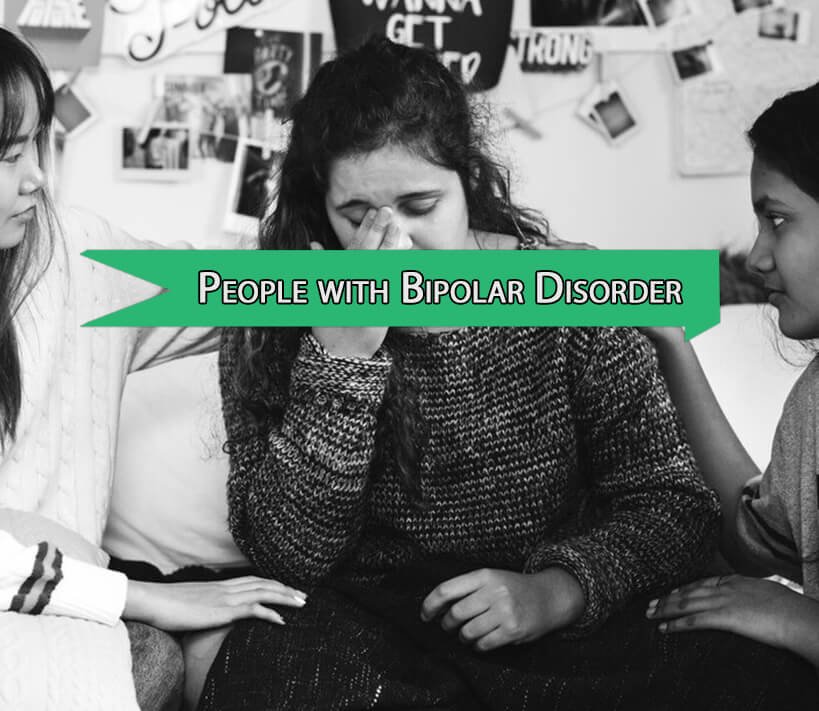
Bipolar disorder is a condition in which a person may experience two emotional extremes at one moment, you may have unstoppable energy, and the next be buried under overwhelming depression. Understanding people with bipolar disorder is so important because it is a condition that goes far beyond simple mood changes. It can impact how you think, feel, and respond to the world around you. People with bipolar disorder may experience that their thoughts race uncontrollably, self esteem may surge to unrealistic heights, and harsh self criticism. These shifts can create a complex internal reality. This unpredictability in their life can create stress, making everyday decisions difficult and relationships harder.
In this blog, we will talk about how your thinking patterns evolve during manic and depressive episodes, what the emotional turmoil is behind them, and how you can handle these intense changes. You can visit the best psychologists in Rawalpindi at Psychoaura for expert guidance and support. Let’s explore this misunderstood experience.
Key takeaways
- People may act quickly without thinking during mania.
- It has two main phases. One is mania, and the second is depression.
- Individuals may experience low energy during the depressive phase.
- Sleep changes are common in both phases.
- It impacts decision making ability and daily functioning.
UNDERSTANDING BIPOLAR DISORDER AND THOUGHT PATTERNS
It is a mental health condition that involves episodes of mania and depression and reshapes your thinking patterns. Thoughts vary in speed, intensity, and clarity, but with the right awareness and support, individuals can think clearly and function effectively. When mood episodes begin, cognitive patterns transform quickly. In a manic episode, people with bipolar disorder have a flood of ideas, and in depression, their thinking becomes heavy and restricted. These changes affect their decision-making and emotional responses. Their self esteem fluctuates dramatically depending on the mood state. This constant mental shift can cause stress and confusion.
Mania is like a surge of mental energy that refuses to slow down. Due to rapid thinking, they cannot focus on a single idea. Many people describe it as a mental rush where creativity and excitement dominate. Over time, these thoughts become overwhelming. Their inability to filter thoughts leads to impulsive actions and poor judgment. Sleep often decreases at this phase, which can intensify the cycle. Their mind continues to generate ideas when the body even needs rest. This constant thinking increases stress levels and makes emotional regulation harder.
-
GRANDIOSITY AND INFLATED SELF ESTEEM
Heightened self esteem is one of the defining features of mania. People with bipolar disorder believe they possess exceptional abilities or unique insight that no one can see, and due to this, they often disconnect from reality. Sometimes, they take risks that they would normally avoid. They become overconfident. It can affect their relationships and daily life. Over time, the contrast between manic confidence and depressive self doubt becomes more pronounced for people with bipolar disorder.
In a depressive episode, people with bipolar disorder experience a completely different mental landscape. In this episode, thoughts lose their speed and clarity, often becoming heavy and repetitive. They feel stuck sometimes and think negatively. They may focus on past experiences or perceived shortcomings, which can create feelings of hopelessness and emotional pain. Simple decision making becomes more difficult for them.
-
COGNITIVE IMPAIRMENT AND MENTAL FOG
During depressive episodes, people with bipolar disorder face cognitive difficulties. They find it difficult to stay engaged in work and conversations. This mental fog can create frustration. They may know what they want to do, but they struggle to work on it. This can impact self esteem and increase feelings of inadequacy.
-
EMOTIONAL TURMOIL AND SELF DOUBT
The constant shift between mania and depression creates internal conflict. People with bipolar disorder may feel they are a different version of themselves depending on their mood. This can cause self doubt. They begin to question whether their feelings and thoughts are authentic or because of disorder. They feel emotionally drained due to this uncertainty. It can affect their relationships and create miscommunication, which can cause stress.
During manic episodes, people with bipolar disorder feel fear because of their rapid thoughts. They want to slow down but feel unable to do so. But in a depressive episode, they experience the opposite pattern in which their thoughts slow down, due to which they feel disconnected from reality. This lack of clarity leads to frustration and helplessness.
Unpredictability is one of the challenging aspects of bipolar Disorder. People with bipolar disorder experience sudden mood changes, which can create stress. Due to this, they feel constantly alert and waiting for the next shift. It can affect their relationships, work, personal goals, and social interactions.
WAYS TO MANAGE THOUGHTS
People with bipolar disorder can experience constant shifts in their thoughts and emotions, which can cause stress, but support can make a real difference. They can consult with mental health professionals to identify triggers and learn how they can manage their racing thoughts, emotional lows, and the unpredictability that comes with the condition.
Mental Health Support often use cognitive behavioral therapy as it helps individuals identify negative thought patterns and replace them with realistic ones. Medication plays an important role in the healing journey, supports emotional balance, and reduces extreme fluctuations. Family, friends, and support groups can encourage them during their healing journey. Over time, people with bipolar disorder can build resilience and learn some effective techniques to manage their disorder.
Conclusion
Understanding the inner world of people with bipolar disorder reveals a complex interaction between thoughts, emotions, and behaviors. The manic and depressive episodes not only affect mood but also affect relationships, decision making ability, and
self esteem. But with the right support and awareness, people with bipolar disorder can manage it effectively through some management techniques, and treatment can make a significant difference in their lives. You can visit the
best psychologists in Rawalpindi at Psychoaura for expert guidance and compassionate care.
FAQs
How do I schedule an appointment at Psychoaura?
The appointment booking process is simple. You can contact Psychoaura directly or fill out an appointment form through the official website.
Which services does Psychoaura offer?
Why should I choose Psychoaura in Rawalpindi?
Interesting Facts about Bipolar Disorder
- It can affect millions of people worldwide.
- It usually starts in late teens and early adulthood.
- Sleep patterns often change before mood episodes begin.
- Therapy and medication can help people live stable lives.
- Many people with bipolar disorder improve a lot with proper treatment.